

 Get Started...


 Android
 iOS
iOS Mac
Mac Switch
 Wii
Wii Wii U
Wii U PC
PC PS4
PS4 PS5
PS5 Xbox One
 Xbox X|S
Please enter a valid email address
Please choose a platform
:
How does your child play this? Alone, with friends, with family? How did they discover it and what kept them coming back for more?
:
To verify your input please enter your email to create an account.
Email:

 Play Overview
Everything (2017) is an unusual game that simulates a world where you can become any object. It sounds strange and not much fun, but the enjoyment is in discovering how small or how big a thing you can become. From tiny atoms to whole planets and everything in between.
As you do this you overhear dialogue from the things in the world. Sometimes this is a cheery greeting, while at others the questions and comments are deeper. Wondering why they've spent so much time collecting things in their lives. Or looking for friendship. Or, even, sadness at not knowing their parents as well as they might.
Running through this absurd space are spoken quotes from philosopher Alan Watts, which further challenge consumer and capitalist assumptions about what is important in life.
As you move around the world you can collect similar objects into your rolling flock. If you leave the game idle it will slowly play through scenes and inhabit objects on its own. Because of this, it's particularly easy for new or very young players.
Our examiner, Andy Robertson, first checked Everything 4 years ago. It was re-examined by Ellen Robertson and updated 10 weeks ago.
As you do this you overhear dialogue from the things in the world. Sometimes this is a cheery greeting, while at others the questions and comments are deeper. Wondering why they've spent so much time collecting things in their lives. Or looking for friendship. Or, even, sadness at not knowing their parents as well as they might.
Running through this absurd space are spoken quotes from philosopher Alan Watts, which further challenge consumer and capitalist assumptions about what is important in life.
As you move around the world you can collect similar objects into your rolling flock. If you leave the game idle it will slowly play through scenes and inhabit objects on its own. Because of this, it's particularly easy for new or very young players.
Our examiner, Andy Robertson, first checked Everything 4 years ago. It was re-examined by Ellen Robertson and updated 10 weeks ago.
There are lots of games similar to Everything. Here are some we picked for you:
 Play Style
 Duration
Play Time: This game will take between 3 hours and 7 hours to complete. You can progress through the main thread of the game quite quickly but to find every object for the game's Encylopedia will take 10s of hours.
 Benefits
This game is good if you want to:
- Pause the action with meditation
- Make your own playground adventure
- Play your first open world game
- Muse on deep topics
- Rediscover community
- Re-think your assumptions
This game has helped players develop their Behaviour as part of the following pathways:
This game has been the inspiration for the following activities:
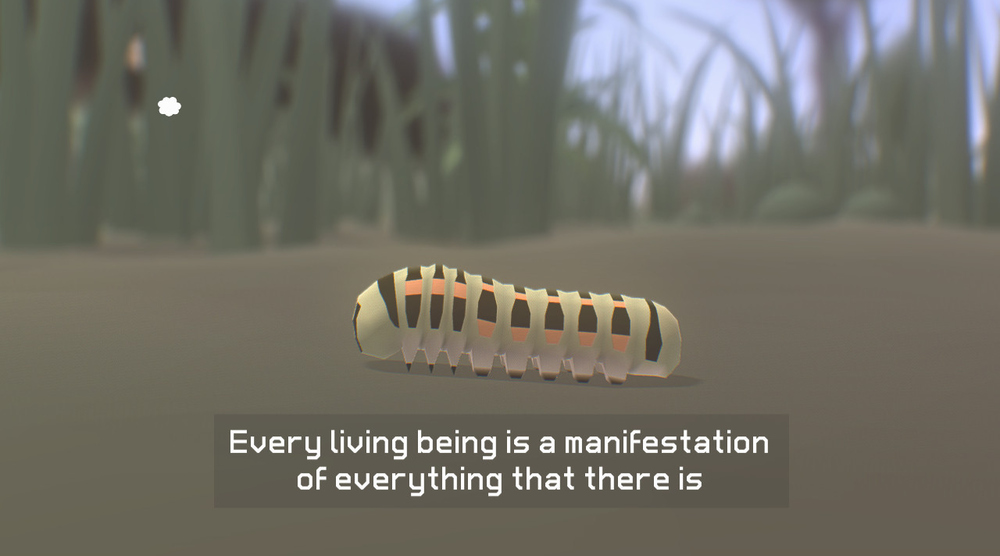
Alan Watts Philosophy
READING

Age Ratings
In addition to the official rating, parents should note that some of the dialogue in the game is quite dark and talks about assisted suicide.
Skill Level
3+ year-olds usually have the required skill to enjoy this game. Although the game requires some fine motor skills to really investigate, it can accommodate very young players who can have fun rolling around the world and changing from one thing to another.
Our Game Pathways reveal how 46-year-olds play this game:
- 46-year-old: Slowing Down Time
 Costs
Costs


 Game Details
Release Date: 21/03/2017, updated in 2019
Out Now: Mac, PC, PS4 and Switch
Skill Rating: 3+ year-olds
Players: 1
Genres: Narrative, Traversal (Adventure and Simulation)
Accessibility: 3 features
Components: 3D Third-Person and Open World
Developer: David Oreilly (@DavidOreilly)
 |
Written by parents for parents, the database complements the in-depth discussion about video game addiction, violence, spending and online safety in the Taming Gaming book. We are an editorially independent, free resource without adverts that is supported by partnerships. |











© 2024 Family Gaming Database